 how-to
How to Spot Dishonest Mechanic Practices Before You Pay
Last Updated: November 5, 2026
Quick Summary
A dishonest mechanic recommends work you don't need, hides fees, or refuses to prove a repair was necessary. Spot the signs before you pay by watching for shops that won't put anything in writing, rush you to decide, or dodge questions about the work.
- Ask to see the worn part or photos; a shop that tossed old parts is a warning.
- Check that the estimate shows labor hours and the hourly labor rate for each operation.
- Ask how much the diagnostic fee is, what it includes, and if it applies to the repair.
- Get the diagnostic report in writing, including trouble codes and freeze-frame data.
- Get a second opinion with the written estimate before authorizing any major repair.
Table of Contents
- Why Dishonest Mechanic Practices Are Hard to Catch
- Mechanic Red Flags You Can Spot Before the Repair
- How to Check a Mechanic's Repair Estimate Line by Line
- Questions to Ask a Mechanic About Any Recommended Repair
- How to Verify a Diagnosis Step by Step
- How to Get a Second Opinion on Car Repairs
- Documenting Suspicious Charges and Your Dispute Options
- Schedule Service With a Shop That Shows Its Work
- Frequently Asked Questions
Why Dishonest Mechanic Practices Are Hard to Catch
Most drivers only learn they've been overcharged after the money is gone.
A driver gets a vague diagnosis, a scary number, and pressure to decide on the spot.
The trouble is that cars are complicated. You can't see the worn part from the driver's seat.
A dishonest mechanic is a technician or shop that recommends work you don't need, hides fees, or refuses to prove a repair was necessary.
Below, we'll walk through the red flags, show you how to read an estimate, and give you a step-by-step way to check any diagnosis. First, here's what most guides get wrong: they tell you to "trust your gut" but never explain what to actually look at.
Mechanic Red Flags You Can Spot Before the Repair
Watch for a shop that won't put anything in writing, rushes you to decide, or dodges questions about the work. Those three habits show up again and again.
A common mistake is judging a shop by how clean the lobby is. Focus on how they talk about your car instead.
Pressure Tactics and Fear-Based Sales
Fear tactics sound like this: "This is unsafe to drive, and we can't let it leave the lot." Or "That price is only good today."
A fair shop will explain the risk in plain terms and let you sleep on it. Urgency around safety is sometimes real. But a real safety issue comes with a clear explanation and a written recommendation, not a countdown.
Refusal to Show Damaged or Replaced Parts
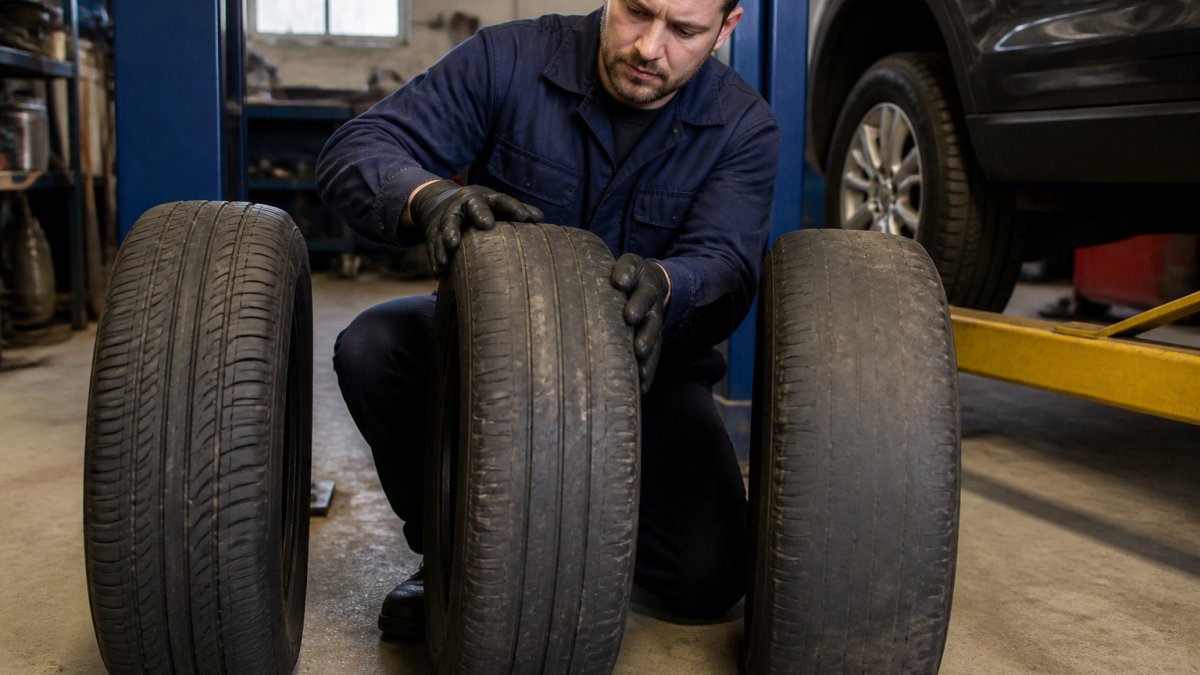
Ask to see the worn part. A shop that does honest work will show you the damaged part or photos of it. Photo-backed inspections are one way to see the evidence for yourself.
If a mechanic waves you off or says the old parts were already tossed, treat that as a warning. You have a right to proof of repair.
How to Check a Mechanic's Repair Estimate Line by Line
A written estimate should list each part, each labor operation, and the fees. Read it slowly and ask about anything you don't understand.
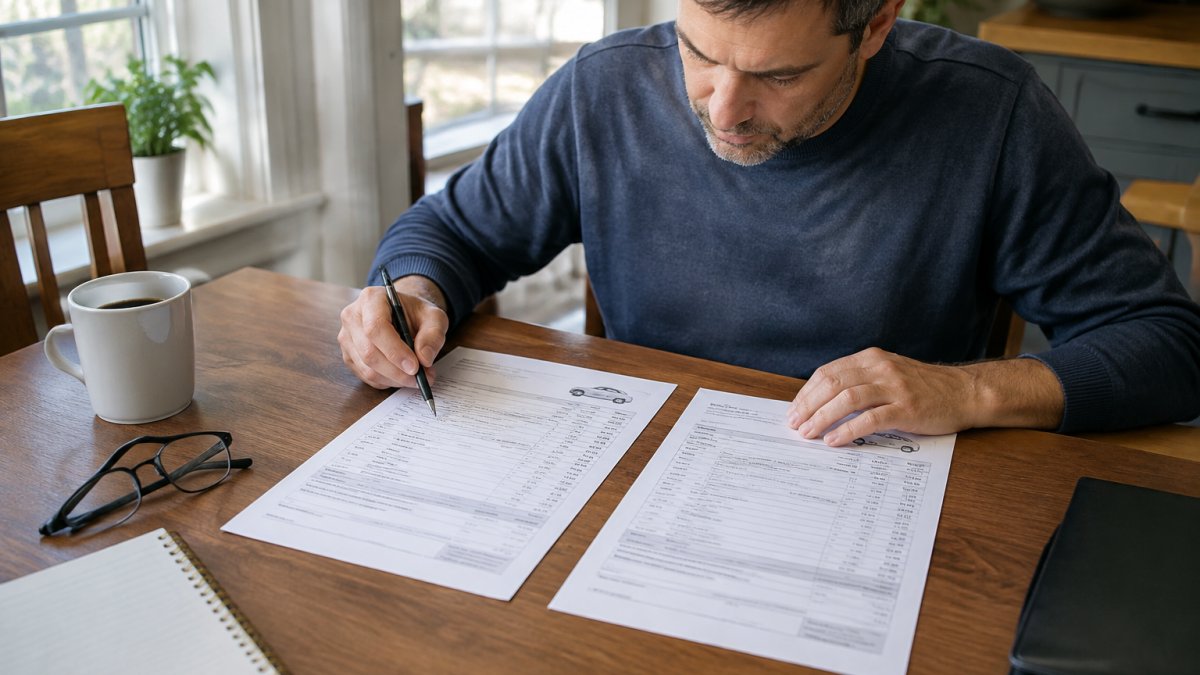
Go line by line and check four things: labor hours, parts pricing and quality, diagnostic fees, and taxes and shop fees.
Labor Hours and the Posted Labor Rate
Labor is generally billed in hours, and a good estimate shows the hours billed for each operation and the hourly labor rate. Multiplying them gives the labor portion of the bill.
If the estimate bills more hours than the guide lists, ask why, extra time for rust, seized bolts, or a related teardown can be legitimate, but it should be explained before you approve it, not added after.
A single line labeled "labor" with no hours and no rate is hard to check, so ask for it to be broken out before you sign.
Parts Pricing, Markup, and Parts Quality
Parts are where estimates vary most. Shops generally buy parts at wholesale and sell them at a markup. What you want to check is whether the part listed matches the job and the quality tier you're paying for.
Look for the part number, whether it's original equipment (OE), OEM-equivalent, or aftermarket, and whether it's new, remanufactured, or used. A quote that lists a premium price but doesn't name the part brand or tier is worth a question.
Diagnostic Fees
Many shops charge a diagnostic fee to scan the vehicle and trace the fault. That fee is often separate from the repair and may or may not be credited toward the work if you approve it. Ask up front: how much is the diagnostic, what does it include, and is it applied to the repair? A shop that won't answer those three questions in writing is a shop to question.
Taxes and Shop Fees
Shop supplies and hazardous-waste fees should appear on the estimate before you authorize work, not for the first time on the final invoice. Compare the estimate total to the invoice total; they should match unless you approved a change.
Duplicate and Overlapping Work
Watch for two lines that describe the same job, or a repair bundled with a service you already had done. If an estimate lists both a "tune-up" and separately priced spark plugs and wires, ask whether the plugs are included in the tune-up price. Overlap is one of the easiest padding tricks to catch once you're reading line by line.
If a term on the estimate is unclear, look it up in plain language. Our auto repair dictionary explains common repair terms and fees so you know what you're reading.
Questions to Ask a Mechanic About Any Recommended Repair
The fastest way to separate a good shop from a bad one is to ask four direct questions. How they answer tells you a lot.
- "Can you show me the part or a photo of the problem?"
- "What happens if I wait on this repair?"
- "Is this maintenance or a safety issue?"
- "Can I get that in writing?"
A confident, honest mechanic welcomes these questions. A dishonest one gets defensive or vague.
The thing nobody tells you about questions to ask a mechanic: the answers matter less than the willingness to answer. Evasiveness is the red flag.
How to Verify a Diagnosis Step by Step
Verifying a diagnosis means confirming that the recommended repair matches a real, tested problem, not just a code that lit up the dashboard.
- Get the diagnostic report in writing. Ask for the scan results, including the diagnostic trouble codes (DTCs), freeze-frame data, and any readiness monitors. A shop that ran a scan has this; a shop that won't share it is telling you something.
- Ask what the code actually means. A code points to a system or circuit, not always the exact part. A misfire code, for example, can come from a spark plug, an ignition coil, a fuel injector, or a vacuum leak. The code narrows the search; it doesn't finish it.
- Request the test that confirmed the fault. Good technicians test before they replace. Ask what test was run, a compression check, a fuel-pressure reading, a smoke test for leaks, a voltage drop, a road test with live data, and what the result was. "The computer said so" is not a test result.
- Look at the evidence. Photos, live-data readings, measured values against the manufacturer's specification, or the worn part itself. Evidence should support the specific repair recommended, not just the general symptom.
- Compare the repair to your symptoms. Does the recommended fix match what you've noticed, the noise, the warning light, the drivability change? If the symptom is a vibration at highway speed and the recommendation is a transmission rebuild, ask how the two connect.
- Get a second opinion before you authorize major work. Take the written estimate and the diagnostic report to another shop and ask for an independent read. If both shops reach the same conclusion with evidence, you can approve with confidence. If they don't, ask each what test supports their view.
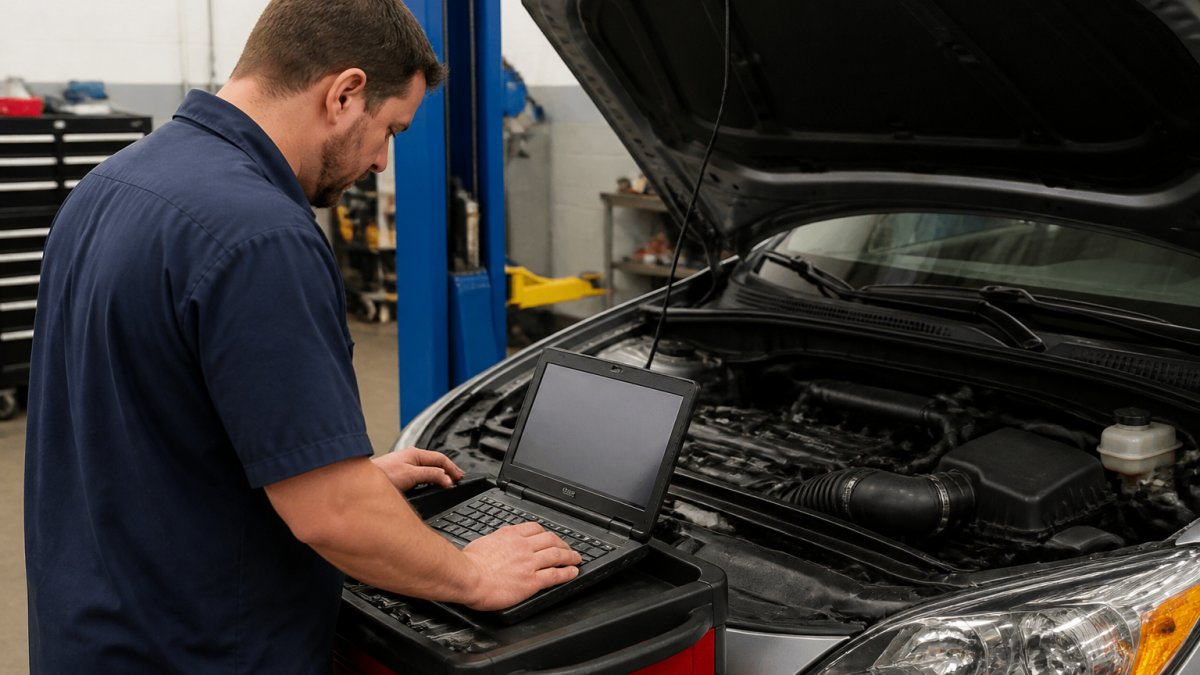
Modern vehicles store a lot of diagnostic data, and a scan tool can read more than a dashboard light shows.
You can confirm a recommended repair matches a real, tested problem by working through these six steps before you authorize expensive work.
| Step | What to do | What to look for |
|---|---|---|
| 1 | Get the diagnostic report in writing | Scan results, DTCs, freeze-frame data, readiness monitors |
| 2 | Ask what the code actually means | A code points to a system, not always the part |
| 3 | Request the test that confirmed the fault | Compression check, fuel-pressure reading, smoke test, voltage drop, road test |
| 4 | Look at the evidence | Photos, live-data readings, measured values, the worn part |
| 5 | Compare the repair to your symptoms | Fix should match the noise, light, or drivability change |
| 6 | Get a second opinion before major work | Independent read from another shop with evidence |
How to Get a Second Opinion on Car Repairs
A second opinion is a quick, low-cost way to confirm a big repair is really needed. Get one before you approve any major job.
Take the written estimate to another shop and ask them to check the diagnosis. Don't tell them what the first shop said until they've looked.
How to get a second opinion on car repairs without drama:
- Bring the written estimate and any diagnostic report.
- Ask for their independent read first.
- Compare both estimates side by side.
Comparing estimates is normal, and honest shops expect it.
Documenting Suspicious Charges and Your Dispute Options
If you suspect a car repair scam, document everything before you confront anyone. Paper and photos win disputes.
Keep the written estimate, the final invoice, and any texts or emails. Photograph the parts if you can. Note dates, names, and what was promised.
Your dispute options usually include:
- Talking to the shop manager first, calmly and in writing.
- Filing a complaint with your state attorney general's consumer protection office.
- Contacting your local consumer protection agency.
The FTC's consumer advice on auto repair explains your rights and how to file a complaint. You can also check your state attorney general for local consumer protection help, and the Better Business Bureau for complaint records on a shop.
Schedule Service With a Shop That Shows Its Work
You shouldn't have to play detective every time your car needs work. A shop that shows photos, explains the diagnosis, and puts the estimate in writing makes the whole process simple.
At Mason Street Auto Care, our ASE-certified technicians provide clear estimates and photo-backed inspections, and our work is warranty-backed. You can see every service we offer, and schedule service when you're ready.
Get started with Mason Street Auto Care and review clear estimates before the work begins.
Frequently Asked Questions
What are the most common red flags of a dishonest mechanic?
Watch for vague verbal estimates instead of written ones, pressure to approve work immediately, refusal to show you the worn or damaged part, and charges that appear on the invoice but were never discussed. A shop that cannot explain a diagnosis in plain terms or produce a diagnostic report is another warning sign. Legitimate shops put everything in writing, walk you through the repair, and give you time to decide without scare tactics.
How can I check whether a recommended repair is actually necessary?
Ask the shop to show you the faulty part, the diagnostic codes, or a photo of the problem before you authorize anything. Request the repair in writing with labor hours and parts listed separately. Then compare that estimate against a second opinion from another shop. If a mechanic cannot demonstrate the failure with evidence, treat the recommendation as unconfirmed and get another look before spending money.
Is it reasonable to get a second opinion on car repairs?
Yes, and it is standard practice for anything beyond routine maintenance. A second opinion on car repairs usually costs a diagnostic fee, but that fee is small compared with an unnecessary repair. Bring your written estimate and any diagnostic report to the second shop so they can evaluate the same recommendation. Two independent assessments that agree give you confidence; two that disagree tell you to ask harder questions.
What should I do if I think a mechanic overcharged me?
Start by requesting an itemized repair invoice and comparing it with the written estimate you approved. Document the difference in writing, including dates and what was authorized versus billed. Then raise the issue with the shop manager directly and ask for an explanation of the unexplained charges. If that fails, you can file a complaint with your state attorney general's consumer protection office or pursue the matter in small claims court.