 how-to
Do You Really Need Professional Car Diagnostics?
Last Updated: October 26, 2026
Quick Summary
Signs your car needs professional car diagnostics include a steady or flashing check engine light, oil pressure or temperature warnings, strange noises, smells and leaks, and performance changes like rough idling or reduced fuel economy. A flashing check engine light means an active misfire, so pull over and stop driving. A steady light is a request to book service soon.
- A steady check engine light means a fault is logged and you can usually drive to a shop.
- Stop the engine immediately if the oil pressure warning light comes on.
- A basic scan typically takes 30 to 60 minutes, while intermittent faults may need a second visit.
- A code tells you which system failed, not which part to replace.
- Note when the problem happens, how often, and which lights came on before your appointment.
Table of Contents
- Warning Lights That Mean It's Time for Car Diagnostics
- Strange Noises, Smells, and Leaks That Point to a Mechanical Problem
- Performance Changes: Rough Idling, Misfires, and Reduced Fuel Economy
- Check Engine Light Diagnosis: What a Scan Tool Actually Reveals
- Car Diagnostic Cost: What Affects the Price and What You Get
- How Long Does a Car Diagnostic Take?
- What to Tell a Mechanic About Car Problems Before Your Appointment
- Schedule Your Diagnostic Appointment with Mason Street Auto Care
- Frequently Asked Questions
Warning Lights That Mean It's Time for Car Diagnostics
Your dashboard is the fastest way to know something is wrong. At Mason Street Auto Care, we tell drivers that warning lights are the car's way of asking for professional diagnostics before a small problem becomes a big bill.
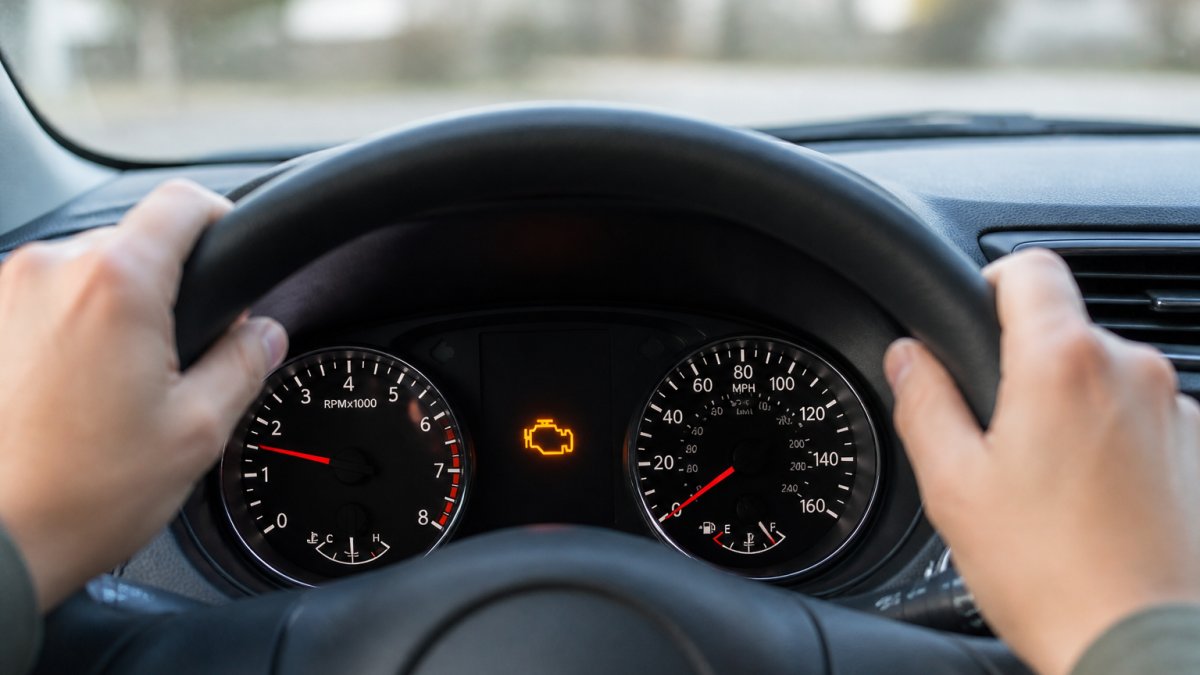
Check Engine Light: Steady vs. Flashing
A steady check engine light means the car's computer has logged a fault. The engine control module stores a diagnostic trouble code, and a scan tool can read it. You can usually drive to a shop, but don't wait weeks. A flashing check engine light is different. It signals an active misfire that can dump raw fuel into the catalytic converter and destroy it.
Other Dashboard Warning Lights to Watch
Several warning indicators deserve the same attention as the check engine light:
- Oil pressure warning: Stop the engine immediately. Low oil pressure can seize a motor in minutes.
- Temperature warning: Pull over and let the engine cool. Overheating can warp a cylinder head.
- Battery warning light: The charging system is failing. You may have limited miles before the car dies.
Strange Noises, Smells, and Leaks That Point to a Mechanical Problem
Sound, smell, and fluid loss are free diagnostic tools. Most drivers notice a change before a warning light ever comes on. The problem is that a list of noises without urgency is useless in the moment. Use this triage framework to decide whether to stop driving, seek prompt service, or schedule soon.
Stop driving now
- Deep, rhythmic knocking from the engine block. A heavy knock that rises and falls with engine speed often points to worn rod or main bearings. Oil pressure may already be marginal. Continuing to drive can turn a rebuild into a replacement engine.
- Grinding that changes with vehicle speed, not engine speed. Metal-on-metal brake contact or a failing wheel bearing. Either can affect steering and stopping distance. Pull over and have the car towed.
- A sweet, syrupy smell plus steam or a rising temperature gauge. That is coolant escaping, and overheating can warp a cylinder head or blow a head gasket. Stop, let it cool, and do not open the radiator cap while hot.
Seek prompt service (within days)
- Squealing that appears on cold start and fades. A worn or glazed serpentine belt. If it snaps, you lose the alternator, power steering, and water pump at once.
- Squealing that appears only when braking. A brake pad wear indicator contacting the rotor. You still have some pad material, but the window is closing.
- A burning, acrid smell after driving. Oil dripping onto hot exhaust parts. Small leaks migrate; a valve cover gasket leak can reach the exhaust manifold within weeks.
Schedule soon (next routine visit)
- A light, rhythmic tick at idle that fades with RPM. Often a lifter or an exhaust manifold leak. Annoying, rarely an immediate safety issue, but worth documenting.
- A faint whine that rises with speed. A differential, transmission, or power steering pump bearing on its way out. Early diagnosis is far cheaper than a rebuild.
- A small, recurring puddle under the car. Note the color: red or pink is transmission fluid, green or orange is coolant, amber is oil, and clear is usually water from the A/C. Photograph it and bring the photo to your appointment.
If you are unsure what a term means, our auto repair dictionary explains common mechanical terms in plain language.
Performance Changes: Rough Idling, Misfires, and Reduced Fuel Economy
Your car tells you it's struggling through how it drives. Watch for these signs:
- Reduced power or sluggish acceleration: The engine may be in limp mode to protect itself.
- Decreased fuel efficiency: A drop in fuel economy often points to a sensor fault or a dragging brake.
- Vibration or shaking: Can come from a misfire, a worn engine mount, or a tire issue.
- Soft brake pedal: A sign of air in the brake lines or a fluid leak. Get it checked right away.
A common mistake is treating a small vibration as normal. In practice, it rarely fixes itself. A sensor fault that causes rough idling also strains the engine over time.
Check Engine Light Diagnosis: What a Scan Tool Actually Reveals
A scan tool reads the diagnostic trouble codes stored by the engine control module. But here is what most guides miss: a code tells you which system failed, not which part to replace. The code "misfire cylinder 3" does not say whether the cause is a spark plug, a coil, a vacuum leak, or a wiring fault. Guessing at parts from a code alone is how people waste money.
What a professional diagnostic appointment actually involves
A proper diagnostic is a process, not a plug-in.
- Customer interview and symptom verification. The technician confirms the complaint, notes when it occurs (cold start, highway speed, after braking), and checks whether the condition is present today. An intermittent fault that is not reproducing changes the plan.
- Visual inspection under the hood and under the car. Fluid levels and condition, belt and hose condition, obvious leaks, damaged wiring, and recent repair work. Many faults are visible before any tool is connected.
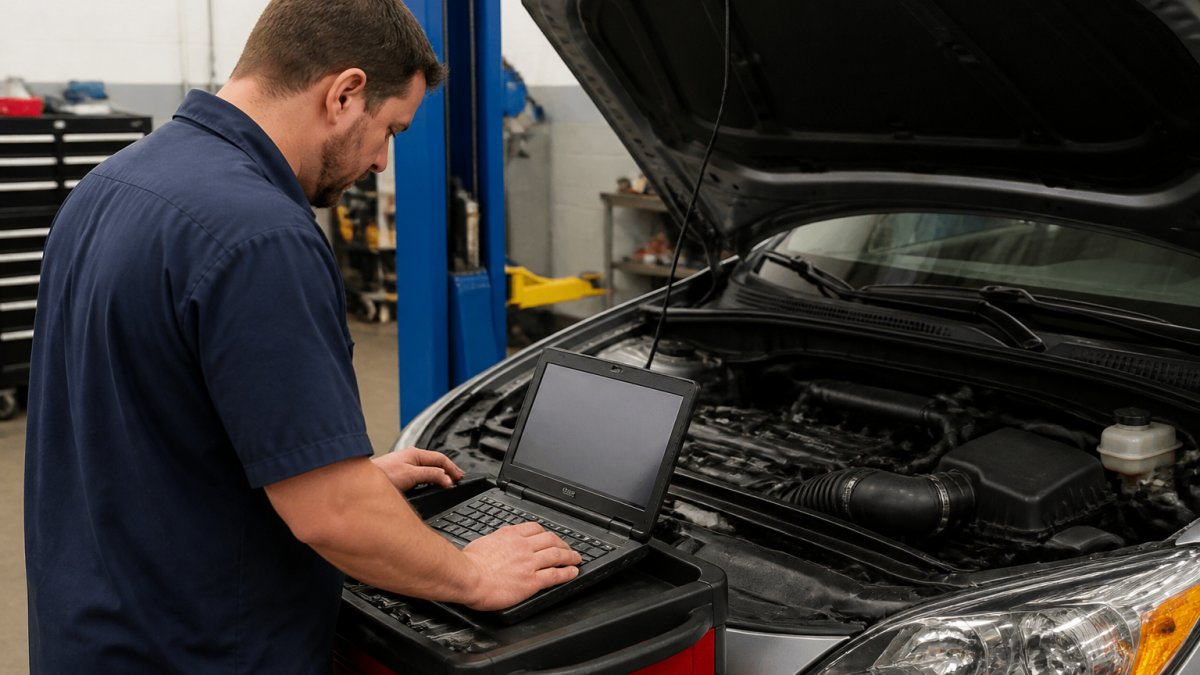
- Scan-tool session. The technician reads stored codes, pending codes, and freeze-frame data, the snapshot of engine conditions at the moment the fault set. They also check readiness monitors, which show whether the computer has completed its own self-tests since the last battery disconnect or code clear.
- Live data and functional tests. A code reader shows codes; a diagnostic session shows what the sensors are reporting in real time. The technician compares mass airflow, oxygen sensor, fuel trim, and misfire counter data against expected values while the engine runs.
- Circuit and component testing. This is the step that separates diagnosis from guessing. The technician tests the actual circuit with a multimeter or oscilloscope, performs a compression or leak-down test on a misfiring cylinder, or introduces a known-good part to isolate the fault.
- Road test and confirmation. The repair is verified under the conditions that originally triggered the symptom, and codes are cleared only after the fix is confirmed.
Why warning lights behave differently
A steady check engine light means a fault has been logged and the computer has a code to share. A flashing check engine light means an active misfire severe enough to damage the catalytic converter, stop driving.
At Mason Street Auto Care, our ASE-certified team uses photo-backed inspections so you can see exactly what we find. You can review our full list of services to see what diagnostics cover.
Car Diagnostic Cost: What Affects the Price and What You Get
Car diagnostic cost depends on a few things: the type of scan, how deep the technician has to dig, and how long the fault takes to trace. A basic scan is quick.
Pricing varies by shop and by job, so we won't quote a number here. Ask for a clear estimate up front. A fair shop explains what the diagnostic fee covers and whether it applies toward the repair.
How Long Does a Car Diagnostic Take?
How long does a car diagnostic take? Often 30 to 60 minutes for a basic scan, longer for a hard-to-find fault. Intermittent problems can require a road test or a second visit. If your car needs to stay longer, a good shop tells you why and keeps you updated.
Here is how long a diagnostic visit typically takes, depending on the type of fault.
| Situation | Time | Note |
|---|---|---|
| Basic scan | 30 to 60 minutes | Quick |
| Hard-to-find fault | Longer than a basic scan | Takes more time to trace |
| Intermittent problem | May require a road test or second visit | Fault may not reproduce |
What to Tell a Mechanic About Car Problems Before Your Appointment
Good information speeds up the diagnosis. Before you book, jot down these details:
- When the problem happens: Cold start, highway speed, or after braking?
- How often: Every drive, or only now and then?
- Any sounds or smells: Where they come from and what they sound like.
- Which lights came on: And whether they flash or stay steady.
What drivers can safely check before booking: tire pressure, fluid levels (oil, coolant, brake fluid), and whether a gas cap is loose. A loose gas cap can trigger a check engine light on its own. Beyond that, leave the testing to a pro.
Schedule Your Diagnostic Appointment with Mason Street Auto Care
Don't wait for a small symptom to become a costly repair. Our ASE-certified technicians provide clear estimates and warranty-backed work, and we explain what we find in plain English. Book service or reach the shop to schedule your diagnostic appointment and get back on the road with confidence.
Frequently Asked Questions
How much does a full diagnostic on a car cost?
Car diagnostic cost varies by shop and by how deep the technician needs to go. A basic diagnostic scan that pulls codes and confirms the issue usually sits at the lower end, while intermittent faults that require road testing or live data logging cost more because they take longer to reproduce. Ask upfront whether the diagnostic fee is applied to the repair if you approve the work. At Mason Street Auto Care, our ASE-certified technicians provide a clear estimate before any diagnostic work begins.
What warning lights mean I should get my car checked right away?
A flashing check engine light, a red oil pressure warning, a temperature warning, or a battery warning light all call for immediate attention. A flashing check engine light often signals a misfire that can damage the catalytic converter if you keep driving. A steady check engine light is less urgent but still deserves a diagnostic scan within a few days. If a red warning light comes on and the car feels wrong, pull over safely and arrange a tow rather than pushing on.
Can a mechanic diagnose a car without a warning light?
Yes. Many mechanical problems, including worn suspension parts, failing wheel bearings, brake wear, and fluid leaks, do not trigger a dashboard warning. A technician can identify these through a road test, a visual inspection on a lift, and listening for unusual engine noise or feeling for vibration. If you notice grinding, squealing, a soft brake pedal, or changes in steering and handling, book an inspection even with no lights on.
How long does a car diagnostic take?
How long a car diagnostic takes depends on the symptom. A straightforward scan and code check can be done in under an hour, but a full diagnostic appointment that includes a road test, live data review, and a visual inspection often runs one to two hours. Intermittent faults take the longest because the technician may need to reproduce the condition. Ask the shop for a time estimate when you book so you can plan your day.
A warning light or a strange noise is your car asking for help. Let Mason Street Auto Care answer it with honest assessments, photo-backed inspections, and warranty-backed repairs you can trust. Get started with Mason Street Auto Care and schedule your diagnostic appointment today.